

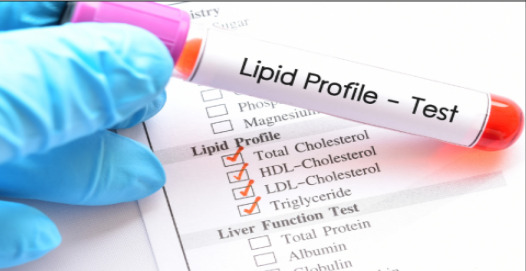
A lipid profile blood test is a comprehensive panel that measures the levels of specific fats in your blood, helping assess your risk for cardiovascular diseases and other health conditions. Here are the key benefits of undergoing a lipid profile blood test:
1. Assessing Cardiovascular Risk
- Heart Disease Prevention: Elevated levels of certain lipids, such as low-density lipoprotein (LDL) cholesterol and triglycerides, are linked to an increased risk of heart disease and stroke.
- Risk Stratification: Helps healthcare providers determine your overall risk for cardiovascular events based on lipid levels and other risk factors.
2. Identifying Dyslipidemia
- Detecting Abnormal Lipid Levels: Identifies imbalances in cholesterol and triglycerides, which can be inherited or acquired due to lifestyle factors.
- Early Intervention: Detects lipid abnormalities early, allowing for timely intervention to prevent complications.
3. Guiding Treatment and Lifestyle Modifications
- Personalized Treatment Plans: Results inform decisions regarding dietary changes, exercise routines, and medications such as statins.
- Motivating Healthy Habits: Provides tangible data that can encourage individuals to adopt healthier lifestyles to improve lipid levels.
4. Monitoring Treatment Efficacy
- Tracking Progress: Regular lipid profiles can monitor the effectiveness of treatments, whether dietary, lifestyle-based, or pharmacological.
- Adjusting Therapies: Allows healthcare providers to adjust treatment plans based on how lipid levels respond over time.
5. Screening for Genetic Lipid Disorders
- Identifying Familial Hypercholesterolemia: Detects inherited conditions that cause extremely high cholesterol levels, which require specialized management.
- Preventing Complications: Early identification of genetic lipid disorders can prevent severe cardiovascular complications through proactive treatment.
6. Preventing Other Health Conditions
- Reducing Risk of Pancreatitis: Extremely high triglyceride levels can lead to pancreatitis, and a lipid profile helps in managing these levels.
- Overall Health Monitoring: Helps in the broader assessment of metabolic health, including risks related to diabetes and obesity.
7. Supporting Comprehensive Health Assessments
- Integrative Health Insights: When combined with other tests, a lipid profile provides a more complete picture of an individual’s health status.
- Holistic Approach: Facilitates a holistic approach to health by integrating lipid levels with other health indicators.
8. Convenient One-Time Home Test Option
- At-Home Testing: Many providers now offer one-time only blood tests that can be done at home. These tests come with a simple kit that allows you to take a blood sample (usually a finger prick) and send it to a lab.
- No Need for Clinic Visit: This option is convenient, especially for those with busy schedules or who prefer to avoid clinic visits.
- Results Delivered Digitally: The results are usually sent to you online, and some services also offer the option to consult with a healthcare professional virtually to discuss your lipid levels and any required follow-up steps.
Key Components Measured in a Lipid Profile:
- Total Cholesterol: The overall amount of cholesterol in your blood.
- Low-Density Lipoprotein (LDL) Cholesterol: Often referred to as “bad” cholesterol, high levels can lead to plaque buildup in arteries.
- High-Density Lipoprotein (HDL) Cholesterol: Known as “good” cholesterol, it helps remove other forms of cholesterol from the bloodstream.
- Triglycerides: A type of fat used for energy; high levels can increase the risk of heart disease.
Recommendations:
- Regular Testing: Depending on age, risk factors, and existing health conditions, regular lipid profile testing is recommended, typically every 4-6 years for adults.
- Consult Healthcare Providers: Always discuss your results and appropriate next steps with a healthcare professional to ensure personalized and effective health management.
Conclusion
A lipid profile blood test is a valuable tool in the proactive management of your cardiovascular and overall health. Whether you choose to take the test in a clinic or at home with a one-time test kit, understanding and monitoring your lipid levels can help you take informed steps to reduce the risk of serious health issues and maintain a healthier lifestyle.