

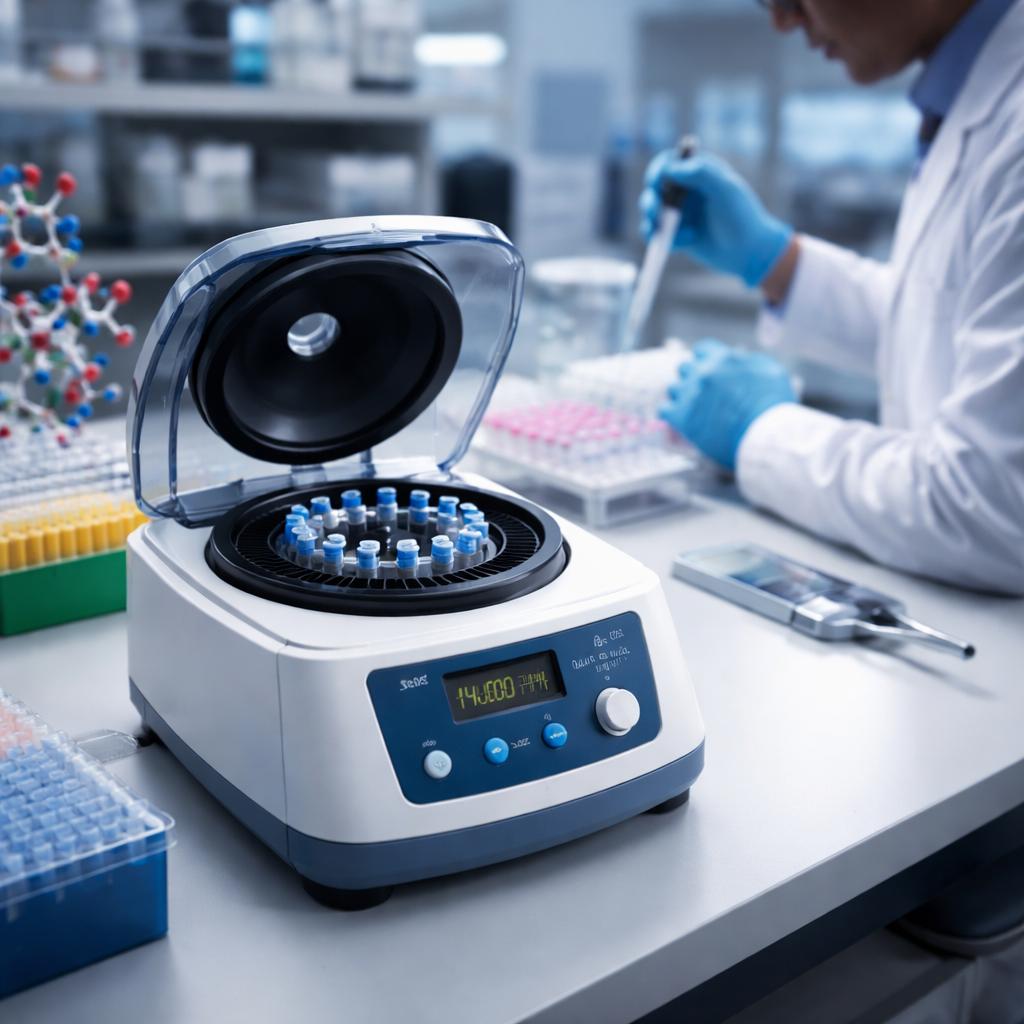
A scientist examines two samples collected during the same experiment and notices that their analytical results differ unexpectedly. Both were stored appropriately, but their preparation histories reveal one important difference: they experienced different separation conditions. Researchers considering AICAR research peptide for sale should recognize that laboratory preparation methods can influence results independently of the materials being studied. Centrifugation is a familiar laboratory technique, yet its effects deserve careful evaluation. Understanding how separation processes influence samples helps scientists avoid misinterpreting changes introduced before analysis begins.
Understand What Centrifugation Actually Separates
Centrifugation uses rotational motion to separate components according to their sedimentation behavior under specific conditions. The outcome depends on factors such as particle properties, sample composition, and the equipment used. However, separation does not automatically preserve every characteristic of the original material. Researchers should understand which components their approved method intends to isolate and which may remain distributed elsewhere. A procedure suitable for one sample type may not support another analytical objective. Recognizing these limitations is essential when interpreting measurements obtained after processing.
Recognize Differences Between Sample Fractions
After centrifugation, different fractions of a sample may contain different proportions of its original components. Researchers should avoid assuming that one fraction represents everything present before separation. Depending on the experimental question, the distribution of relevant substances may influence the interpretation of subsequent measurements. Laboratory records should identify which fraction was analyzed and why that choice was appropriate. Without this information, findings from separate projects may appear contradictory simply because scientists examined different portions of materials that initially seemed comparable.
Keep Material Identity Checks Independent
Someone searching pura peptides HGH frag 176-191 may encounter product specifications and supplier information. Those details cannot establish whether a centrifugation method is appropriate for a particular analytical investigation. Material identity, research suitability, and sample separation require different evidence. Even well-documented compounds may produce difficult-to-interpret findings if preparation changes what reaches the instrument. Researchers should therefore assess the purpose and limitations of each analytical step independently, rather than attributing every unexpected measurement to the characteristics of the original research material.
Consider Equipment Differences Between Laboratories
Two laboratories may describe a separation procedure similarly while using equipment with different characteristics. Rotor design, instrument condition, and the way operating parameters are documented can affect comparability. Researchers should understand whether the equipment used supports their approved method and whether relevant performance records are available. Simply reporting that a sample was centrifuged may provide insufficient context for another scientist. Clear documentation allows collaborators to evaluate procedural differences without assuming that identical terminology guarantees equivalent treatment across separate laboratory facilities.
Preserve Preparation Details for Review
Analytical reports often emphasize final measurements while providing limited information about earlier sample preparation. When centrifugation is relevant, researchers should preserve records connecting the original sample, separation process, and analyzed fraction. These details help investigators understand how the reported result was obtained. Changes to an established method should also remain traceable through approved documentation. A clear preparation history becomes particularly valuable when researchers revisit older findings. Without it, a technically accurate measurement may lack the context necessary for meaningful scientific comparison.
Investigate Unexpected Separation Patterns Carefully
An unusual appearance after centrifugation may prompt questions about sample composition or processing conditions. However, visual differences alone cannot establish a particular chemical explanation. Researchers should consider relevant controls, material properties, equipment records, and method limitations before concluding. Repeating work without understanding the suspected problem may simply reproduce an unresolved uncertainty. Qualified personnel should determine whether additional evaluation is justified. A disciplined investigation preserves the distinction between what was observed and what remains a possible explanation requiring further scientific evidence.
Review Separation Methods as Studies Change
Research projects frequently evolve beyond their original analytical objectives. A separation method selected for an earlier experiment may require reassessment when investigators begin examining different properties or sample types. Teams should consider whether the existing procedure still addresses the scientific question and whether its limitations are adequately understood. Technical specialists can help identify where additional method evaluation may be necessary. Revisiting established procedures is not a rejection of earlier work. It is a recognition that changing research questions sometimes demand different analytical evidence.
Conclusion
Picture a researcher confidently interpreting a result without realizing that the most important difference occurred before the instrument was switched on. That possibility illustrates why preparation deserves as much attention as measurement. The scientific materials listed by purapeptides.com represent only one part of a much larger experimental process. What researchers choose to separate, retain, and examine ultimately shapes the evidence available to them. A reliable conclusion begins with understanding that journey, including the components that never entered the final analysis.